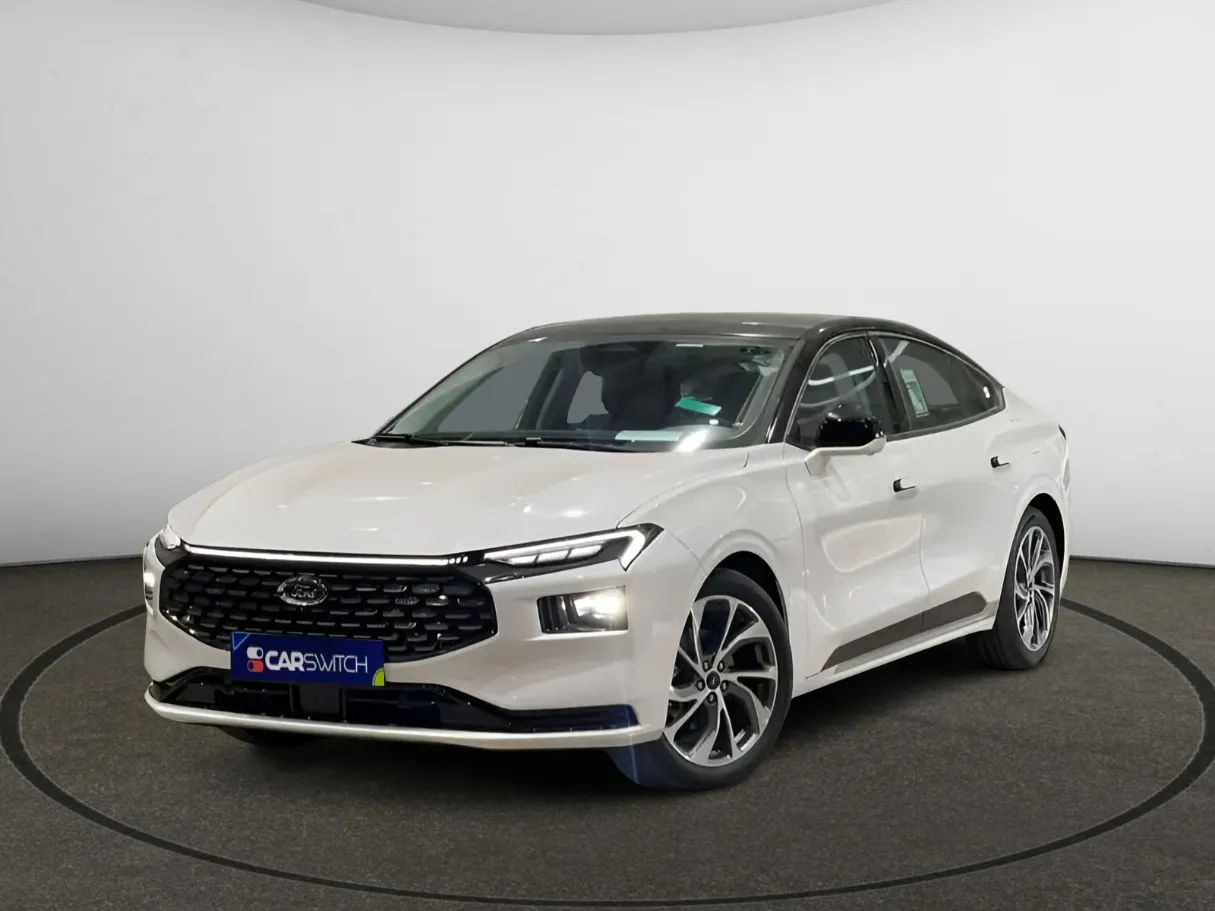
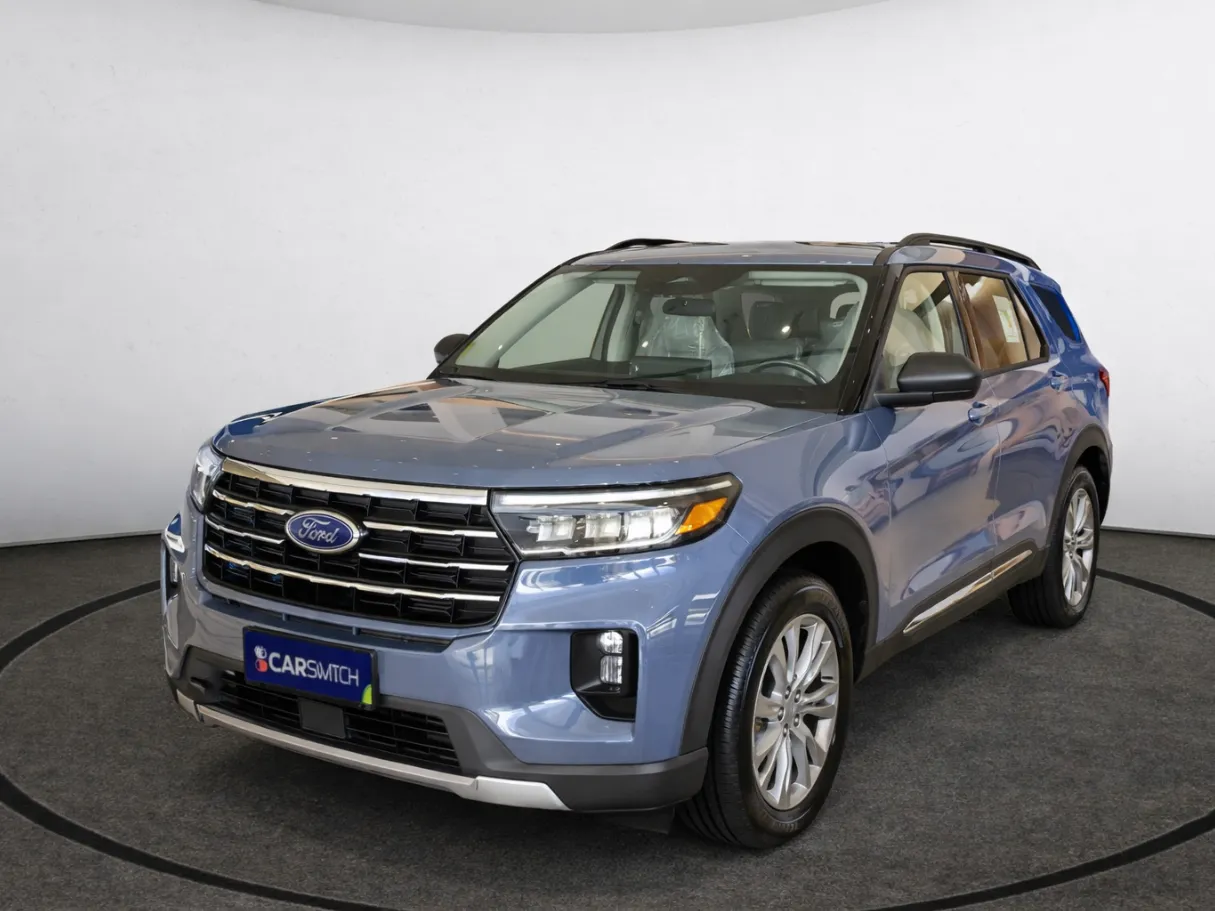
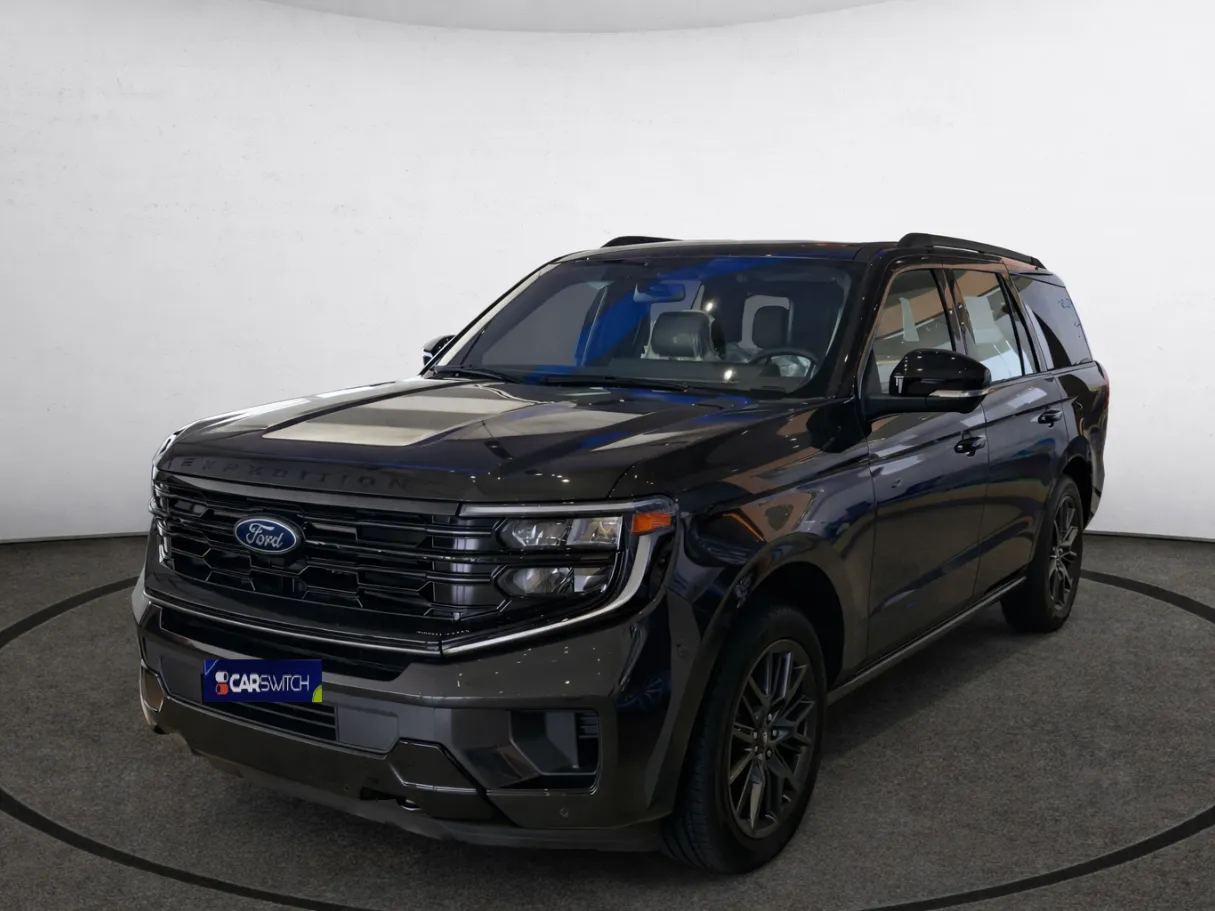
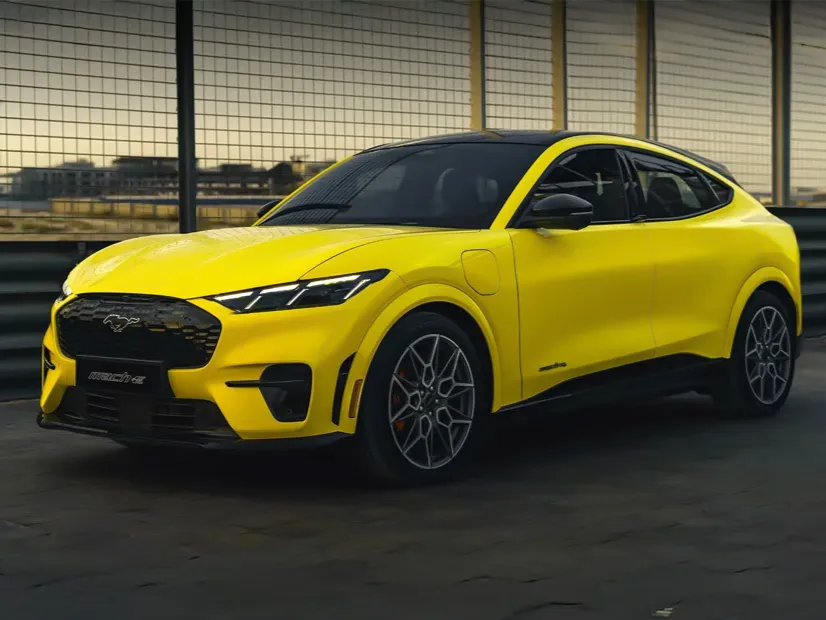
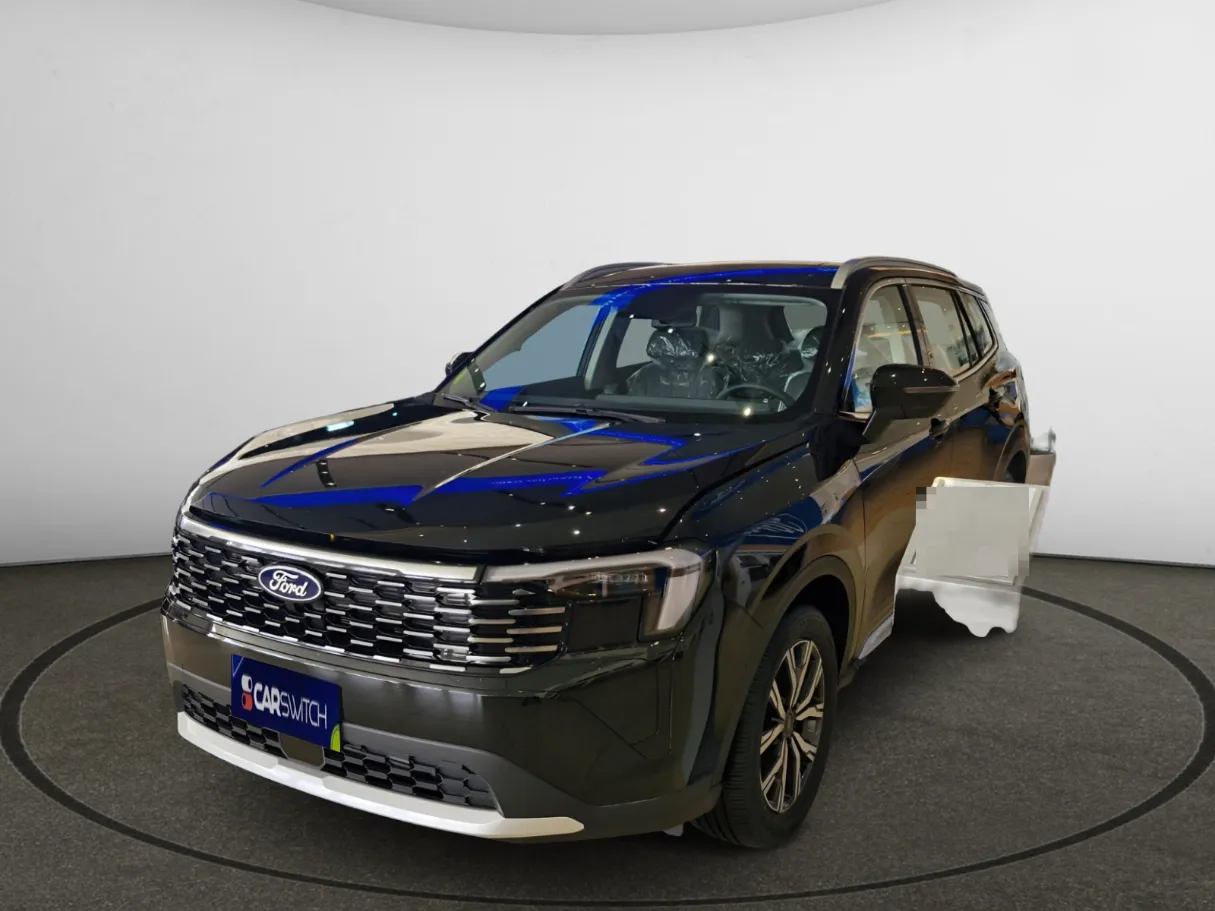
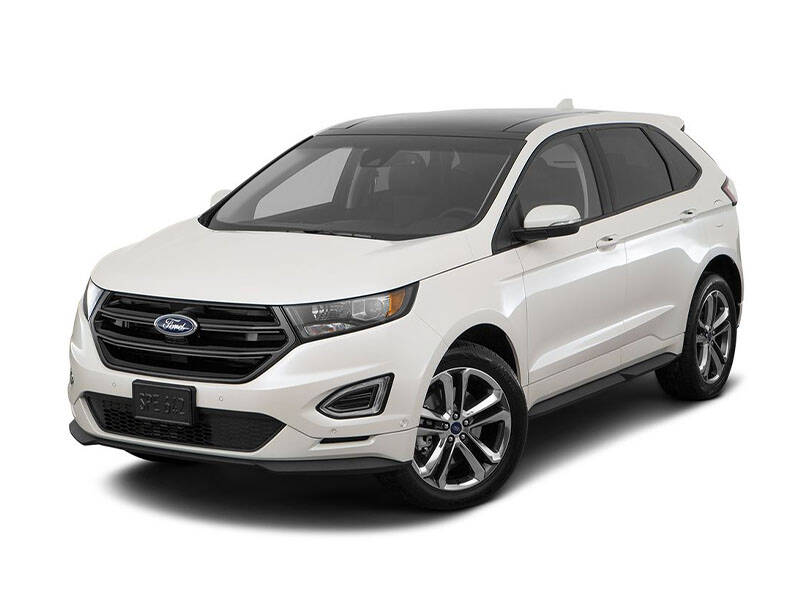
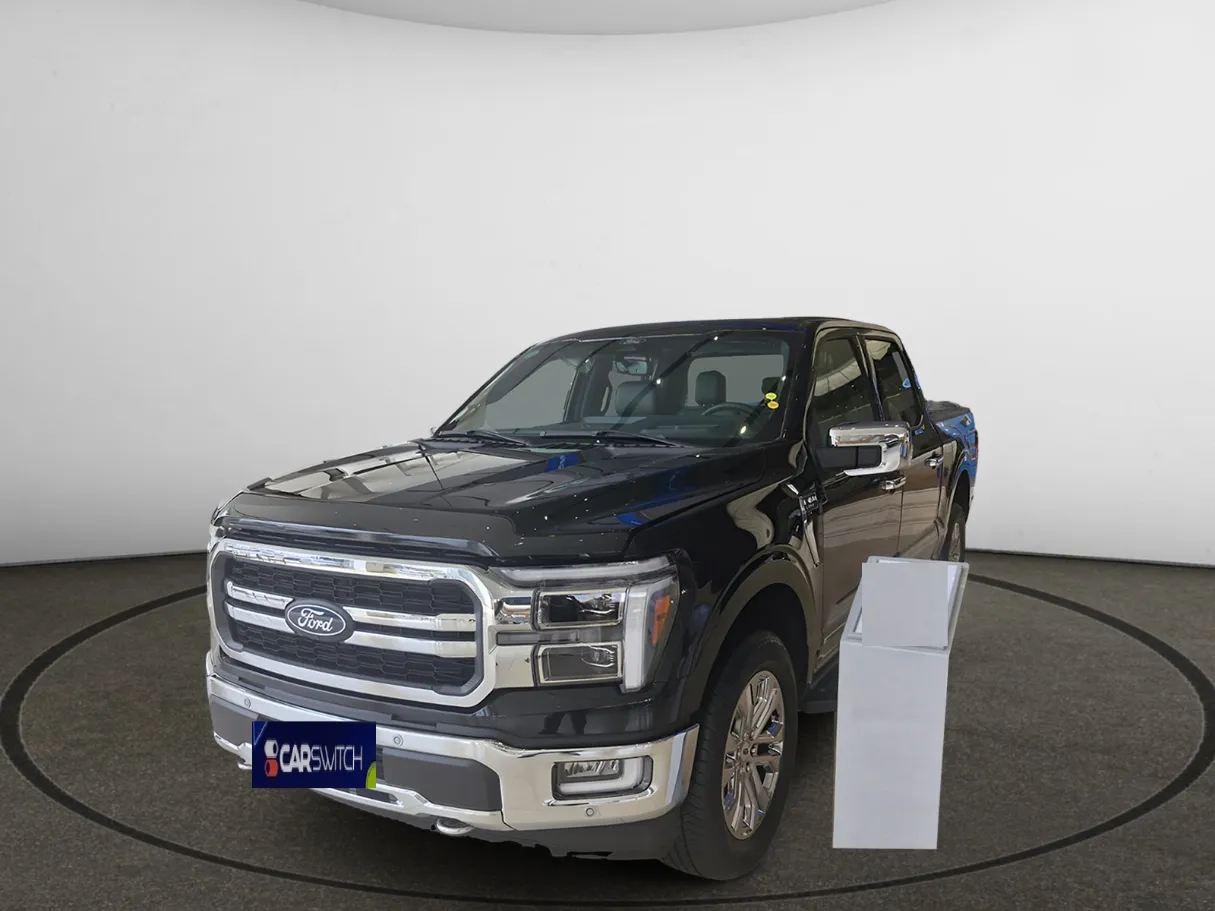
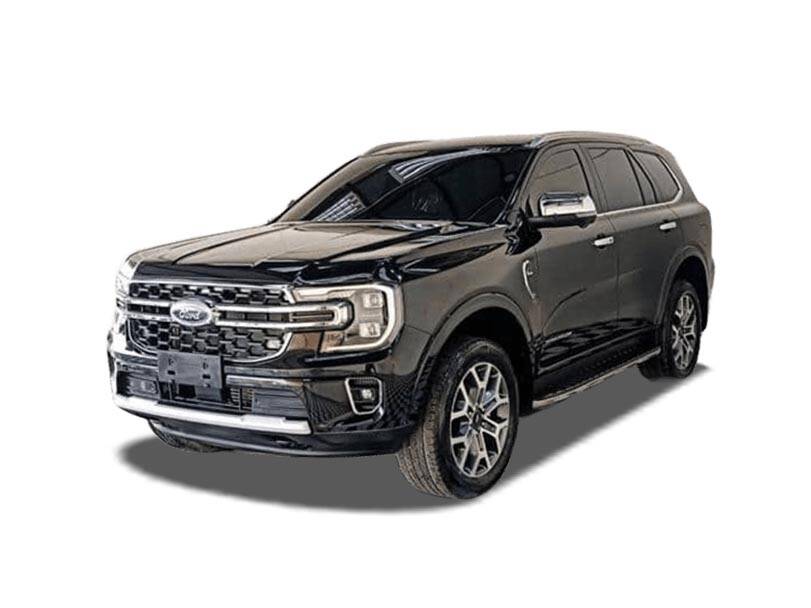
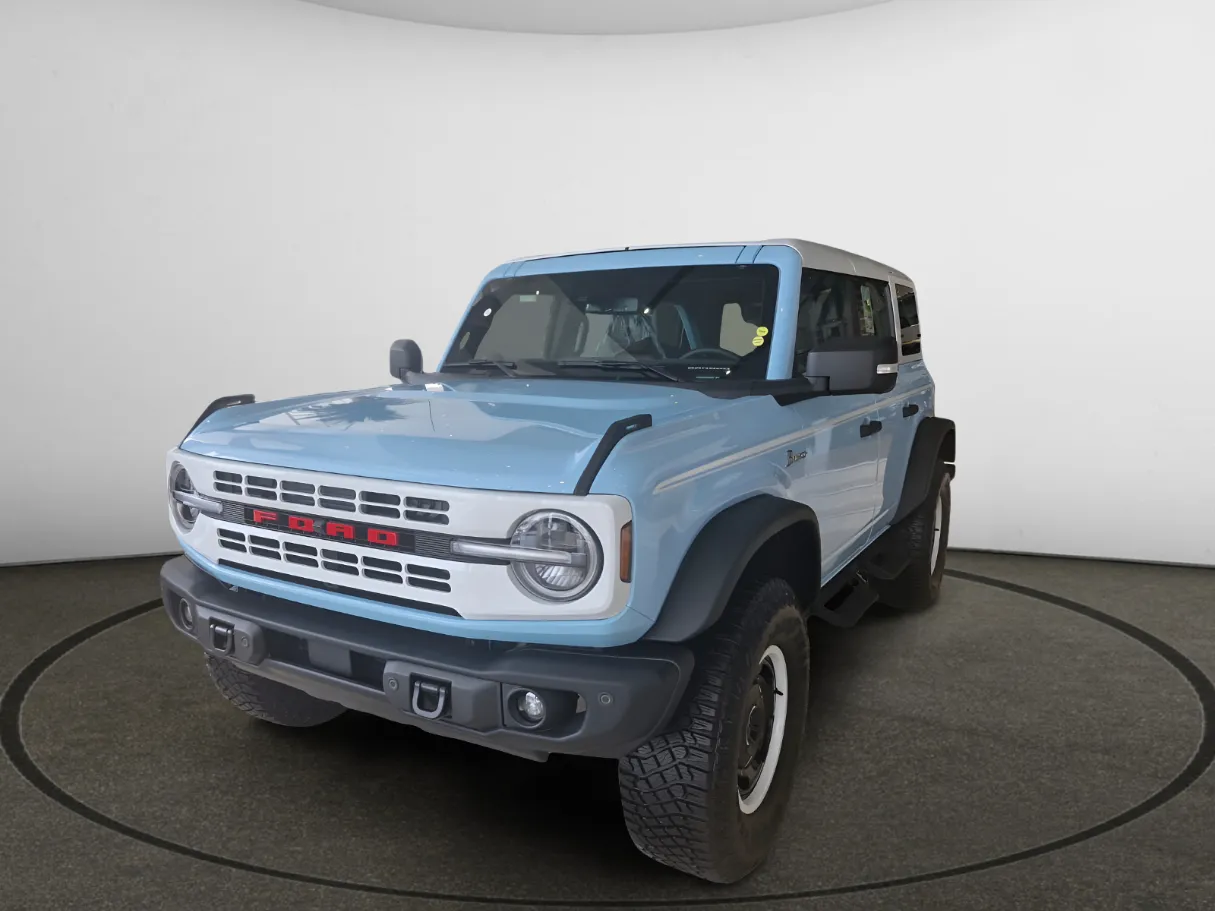
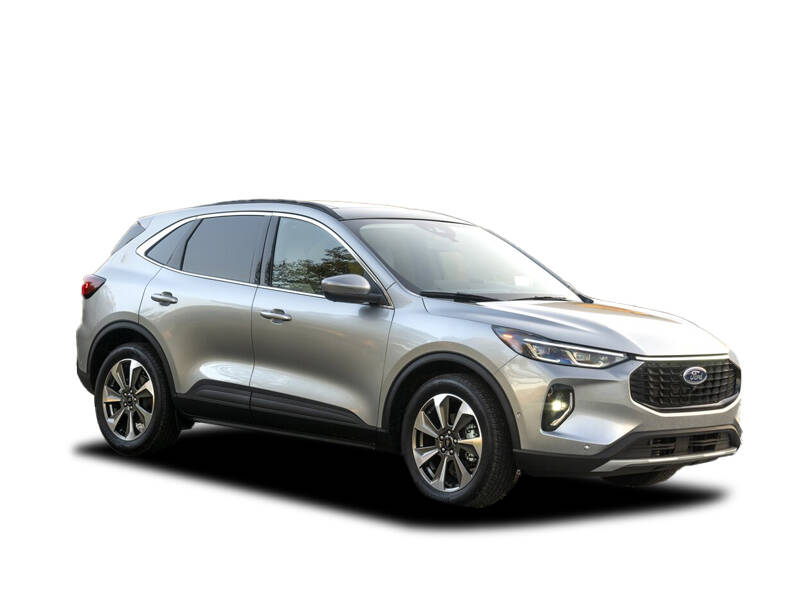
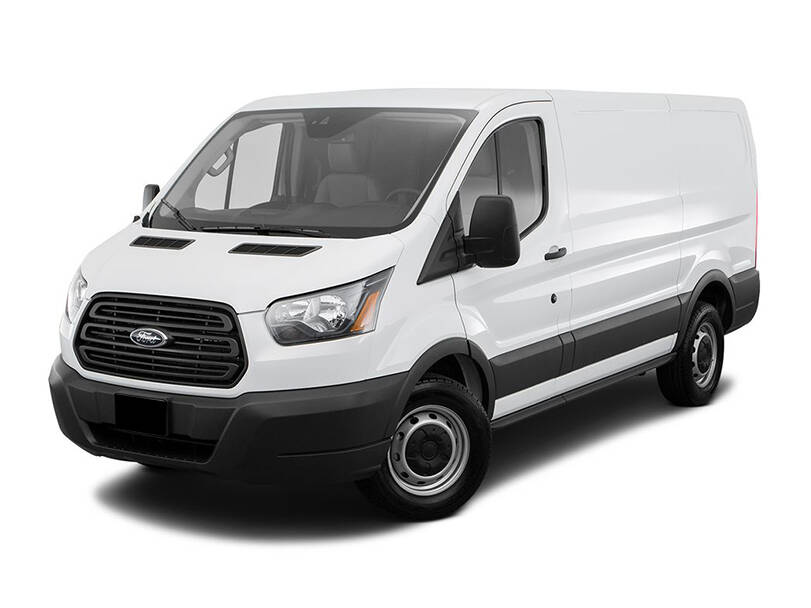
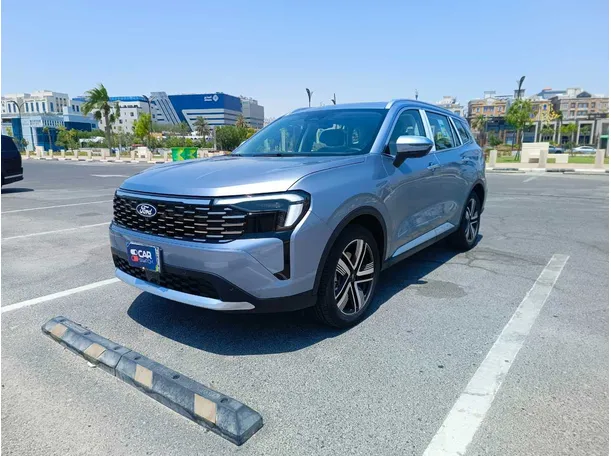
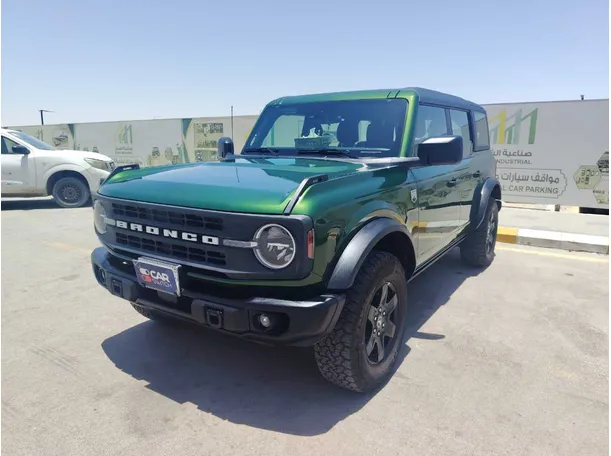
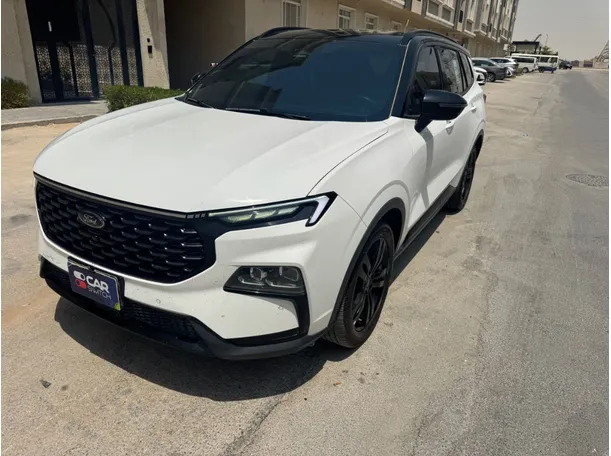
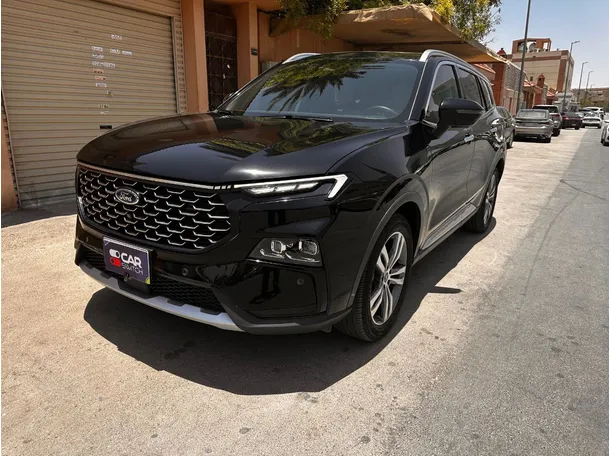
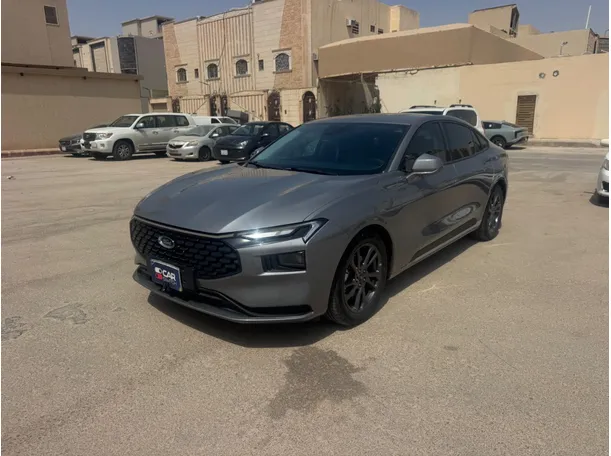
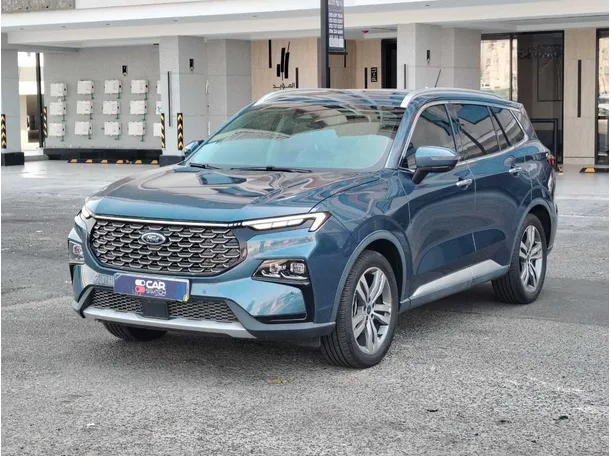
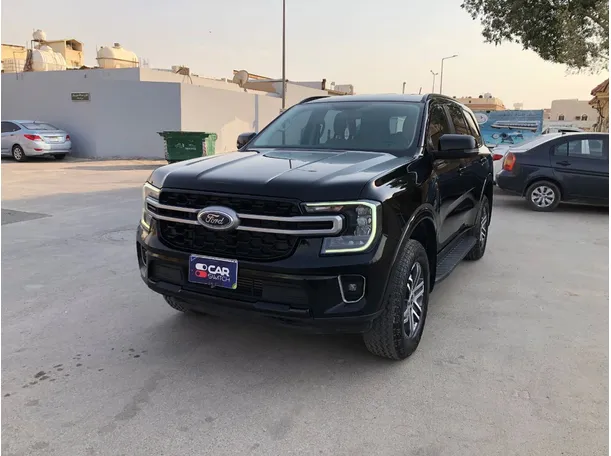
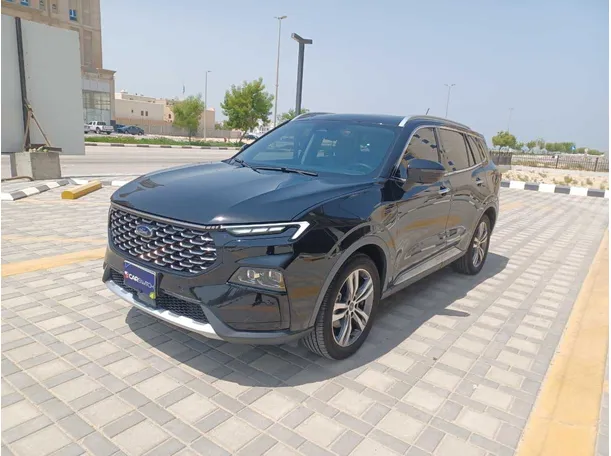
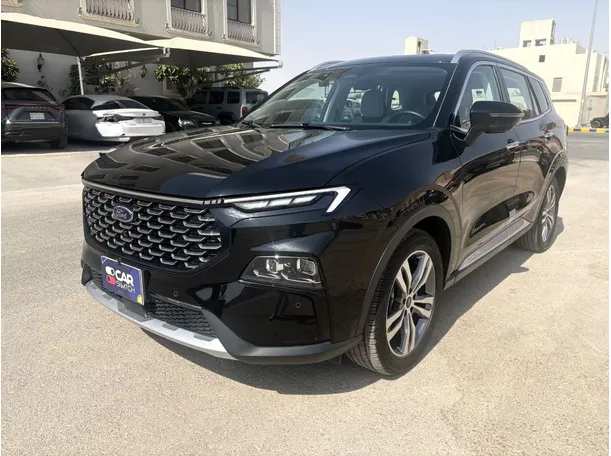
Ford's Saudi range is unusually top-heavy: 17 model lines, of which eight are SUVs and three are pickups, and a price list that runs from a small hatchback to a Raptor. The volume, though, comes from two cars in the middle — the Taurus and the Territory — that most people outside the Kingdom never see. Three of the SUVs and pickups are recent designs: the Ranger and the Everest were both replaced in 2022, and the Bronco was revived in 2021.
Sales and service run through Al Jazirah Vehicles Agencies in Riyadh, Dammam and Al Qassim, so factor the drive in if you live elsewhere — then compare the model you want with the used Fords listed now.
How much does a new Ford cost in Saudi Arabia?
The spread is enormous. SAR 54,150 buys the smallest hatchback in the 2026 range and SAR 412,855 the most extreme version of the pickup line, with engines up to 5.0 L. Between those extremes the range is dense rather than evenly spaced: most of the SUVs are clustered in a band far closer to the bottom than the headline ceiling suggests.
Which Ford models are sold in Saudi Arabia?
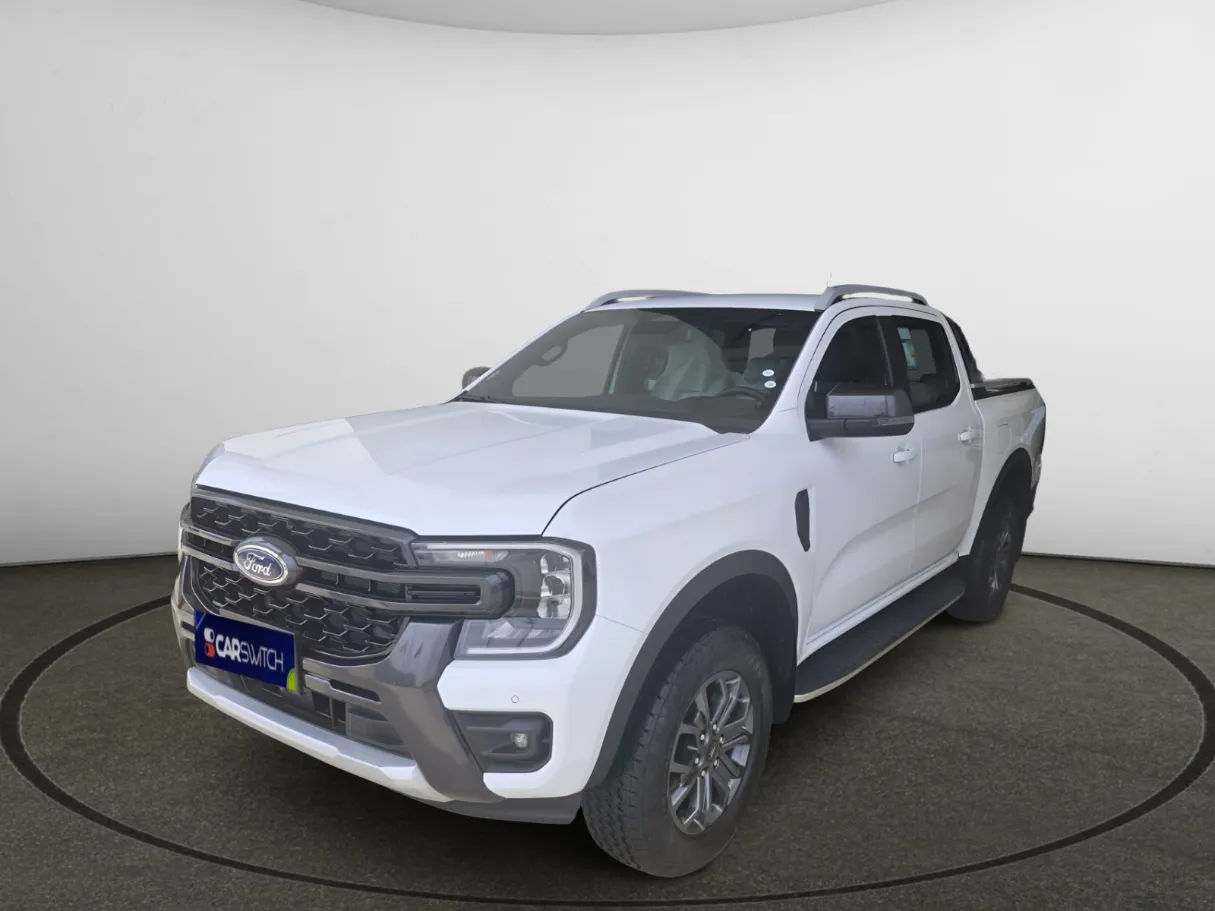
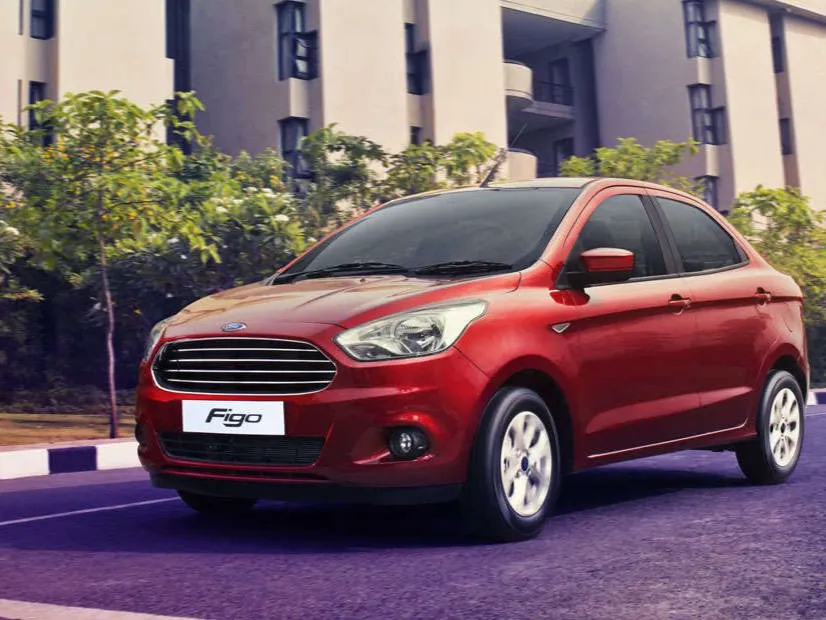
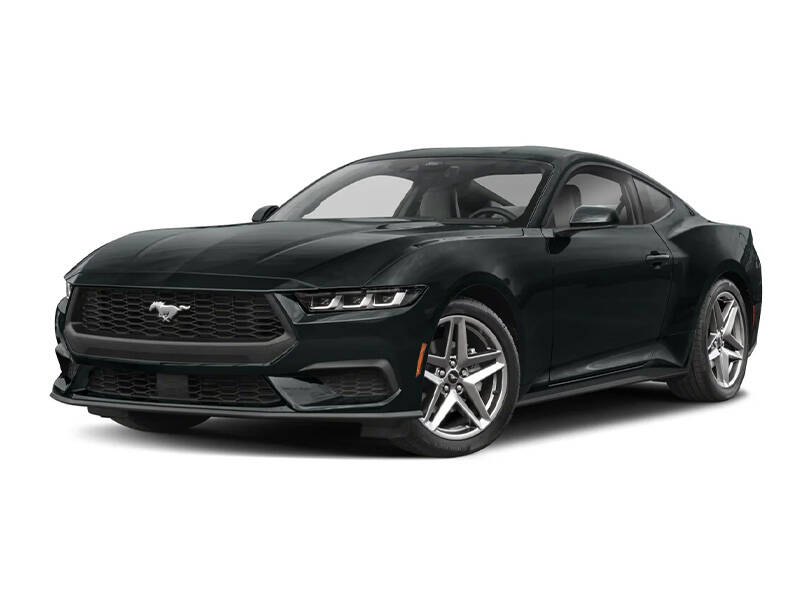
SUVs dominate — the Territory and Escape at the accessible end, the Edge and Everest above them, then the Explorer, Bronco and Expedition. Pickups run from the Ranger to the F-150, and the Taurus is the only sedan — and the brand's best-known car here. A Mustang, a Figo hatchback and a Transit van complete the list.
Ford Taurus or Nissan Altima?
The Taurus is the larger car for the money, with a longer equipment list at every trim and a hybrid option that its rival does not offer at this price. It also holds about 47% of its value after five years where American brands here average roughly 37%, which is the opposite of what most buyers assume. The Nissan Altima answers with a denser service network and the easier resale conversation.
Is a used Ford the better buy?
It depends which one, and the range splits sharply. The Explorer and Expedition shed value quickly enough that the second owner gets most of the vehicle for a fraction of the price; the Taurus and Territory hold on tightly, so a used one saves less. Across the brand, 48% of the Fords CarSwitch inspects here show previous body or panel repair, against the 52% we would expect for cars of the same age and mileage — that is a Saudi roads figure, not a Ford one.


 Hi Guest