









No cars match your search
Try adjusting your filters or browse similar cars below.
Get notified when a match is listed
Save this search in the CarSwitch app and we'll alert you instantly.
Scan to download the CarSwitch App
Save this search · get instant alerts
Available on iOS & Android
Other Similar Used Cars


Secure payment

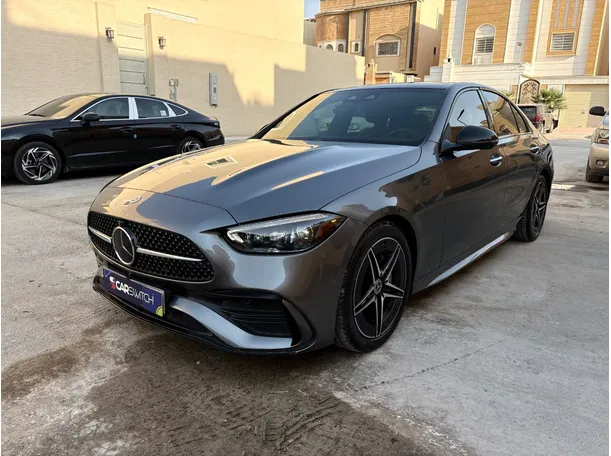
Mercedes C300 2.0L I4
202421,034 miAmerican

Fair price
Price185,000SAR
Installments3,915SAR/mo
Secure payment
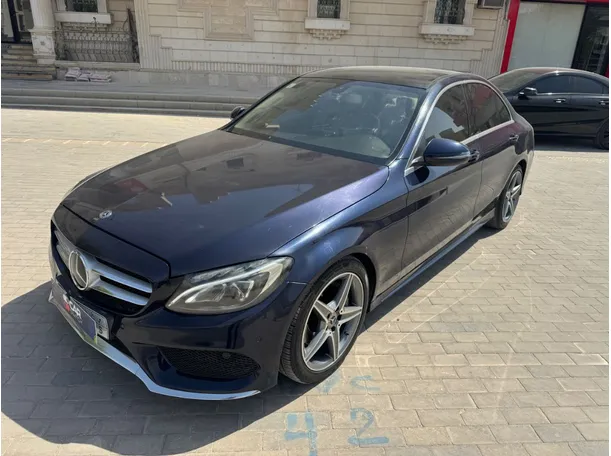
Mercedes C200 2.0L I4
2018144,909 KMGCC specs

Price64,500SAR72,000SAR
Installments2,965SAR/mo
Secure payment
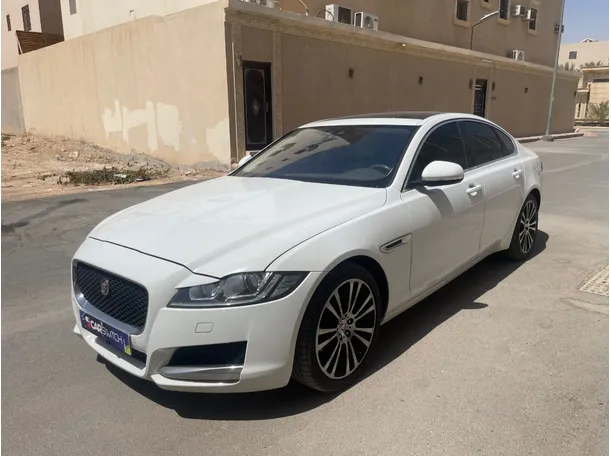
Jaguar XF PRESTIGE 2.0L I4
2020144,206 KMSaudi specs
Price69,500SAR74,000SAR
Installments1,755SAR/mo
Secure payment
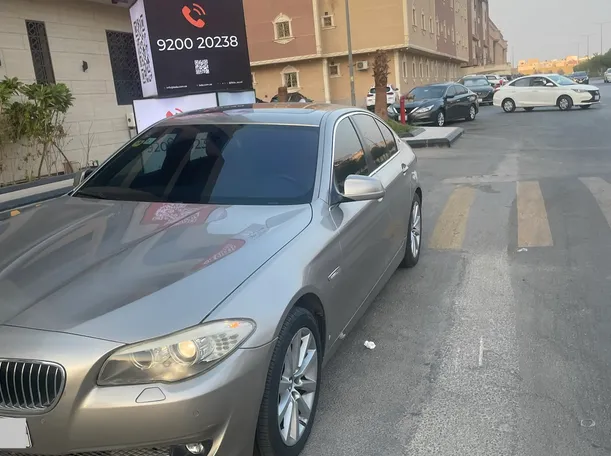
BMW 530 فل اوبشن 3.0L V6
2013212,000 KMGCC specs

Price34,500SAR39,000SAR
Installments1,615SAR/mo
Secure payment
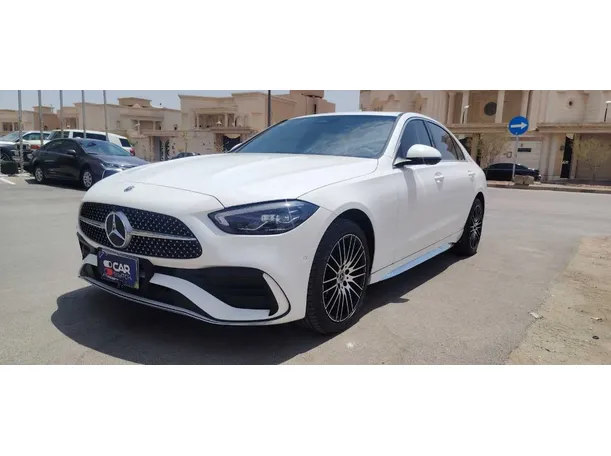
Mercedes C200 Turbocharged 1.5L I4
202515,000 KMChinese
Great price
Price170,000SAR
Installments3,600SAR/mo
Secure payment
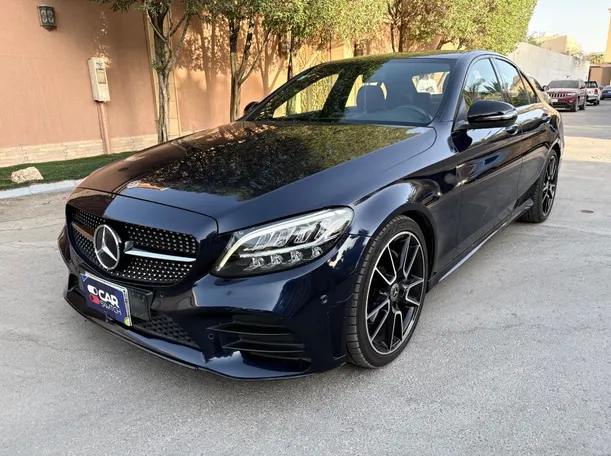
Mercedes C200 2.0L I4
201944,113 KMSaudi specs
Price110,000SAR
Installments3,342SAR/mo
Secure payment
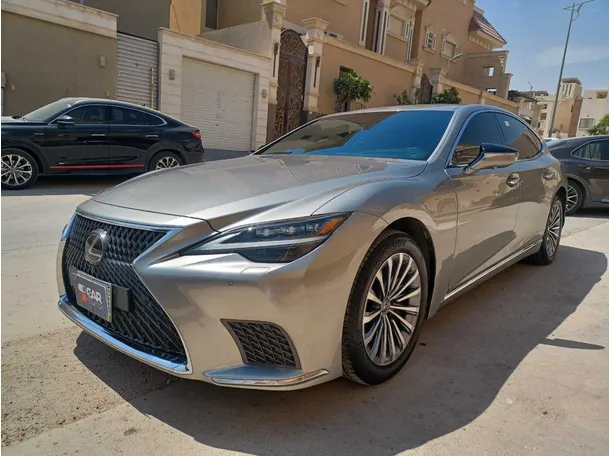
Lexus LS350 3.5L V6
20256,500 KMSaudi specs
Fair price
Price320,000SAR
Installments6,750SAR/mo
Secure payment
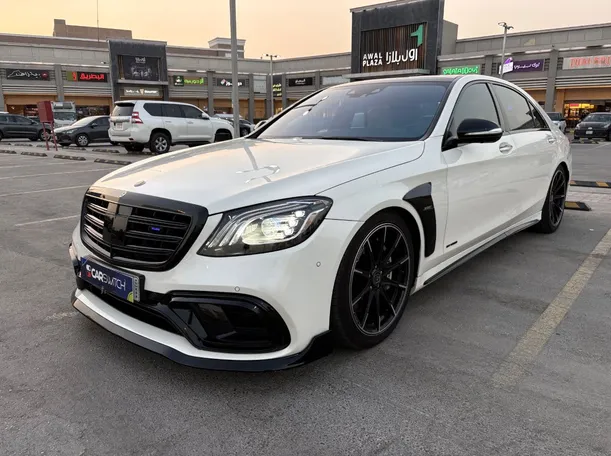
Mercedes S400 BRABUS Kit 3.0L V6
201796,070 KMEuropean
Price185,000SAR
Installments8,388SAR/mo
Secure payment
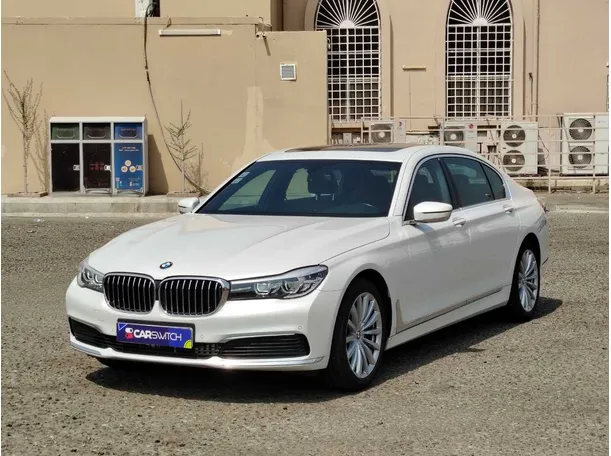
BMW 730 LI Twin Power Turbo 2.0L I4
201872,000 KMSaudi specs
Good price
Price121,250SAR
Installments5,519SAR/mo
Secure payment
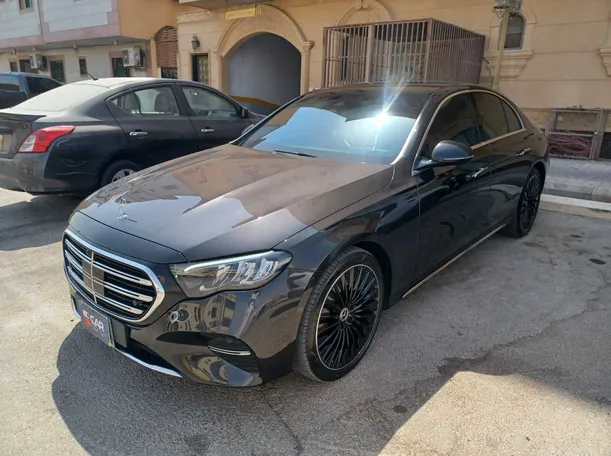
Mercedes E200 2.0L I4
202435,000 KMSaudi specs
Price215,000SAR230,000SAR
Installments4,545SAR/mo
Secure payment
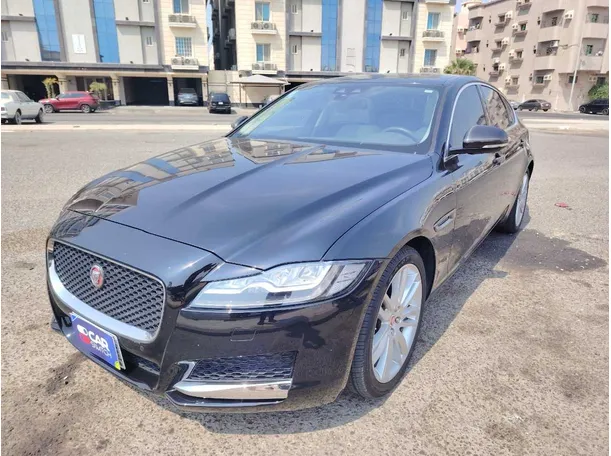
Jaguar XF 2.0L I4
201815,000 KMSaudi specs
Price86,000SAR90,000SAR
Installments3,933SAR/mo
Secure payment
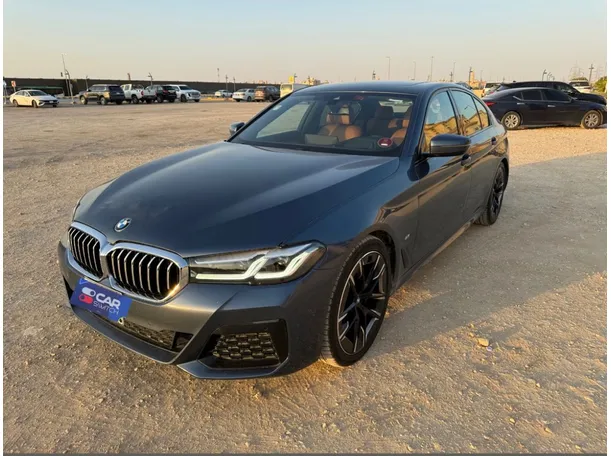
BMW 530 Twin Power Turbo (M Kit) 2.0L I4
202321,000 KMGCC specs
Good price
Price166,000SAR
Installments3,516SAR/mo
Secure payment
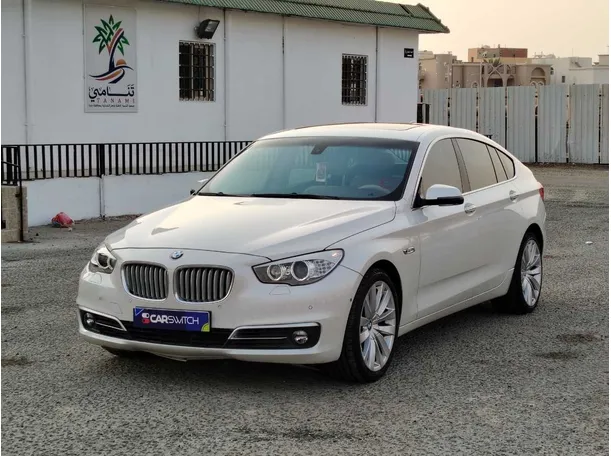
BMW 528 Twin Power Turbo 2.0L I4
2014110,039 KMSaudi specs
Price41,500SAR
Installments1,930SAR/mo
Secure payment
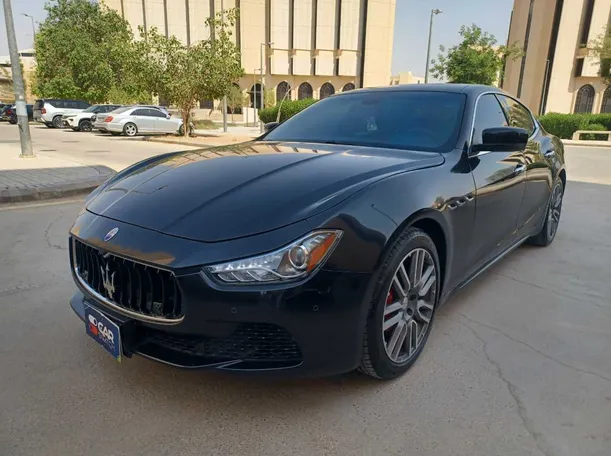
Maserati Ghibli 3.0L V6
2014146,000 KMSaudi specs
Fair price
Price60,000SAR
Installments2,763SAR/mo
Secure payment
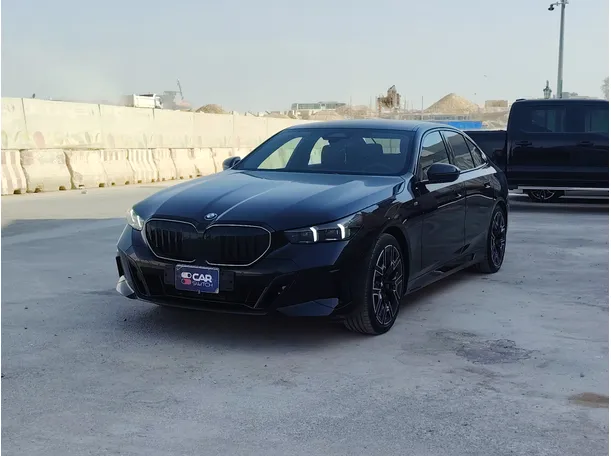
BMW 520 2.0L I4
20246,919 KMSaudi specs
Price260,000SAR
Installments5,490SAR/mo
Secure payment
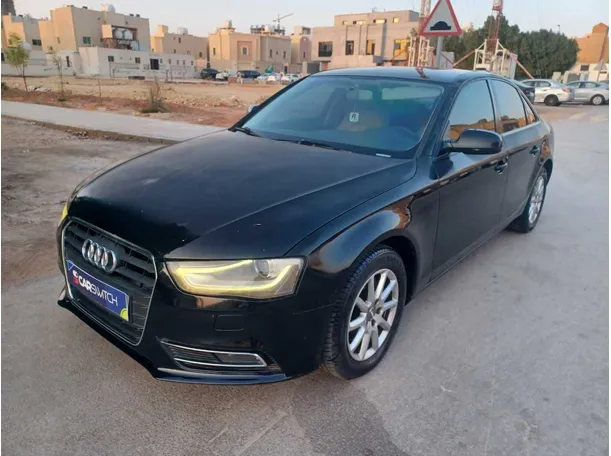
Audi A4 Turbocharged 1.8L I4
2015164,500 KMSaudi specs
Fair price
Price25,000SAR
Installments1,188SAR/mo
Secure payment
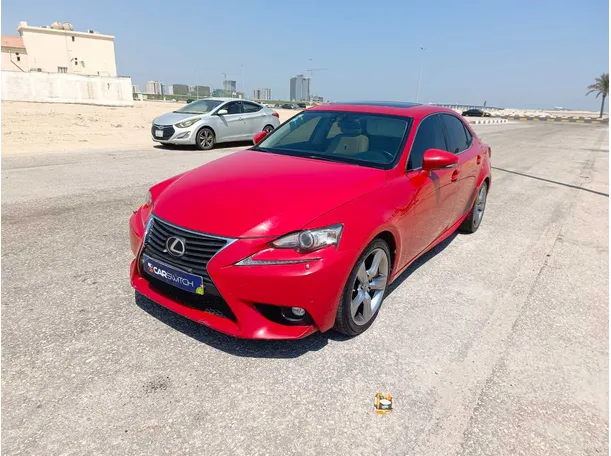
Lexus IS350 3.5L V6
2016245,300 KMSaudi specs
Price50,000SAR53,000SAR
Installments2,313SAR/mo
Secure payment
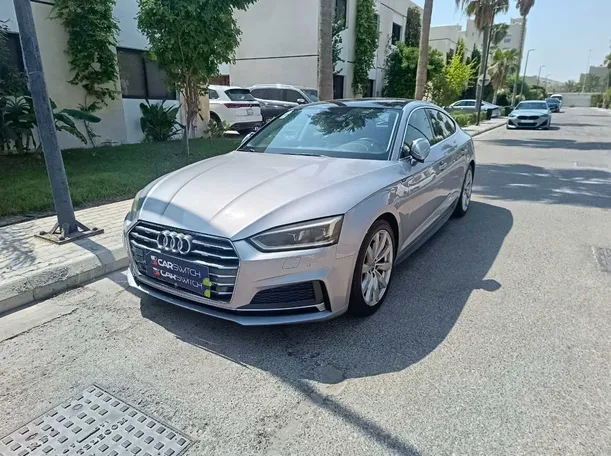
Audi A5 40 TFSI S-Line Turbocharged 2.0L I4
201961,120 KMSaudi specs
Good price
Price93,000SAR
Installments2,832SAR/mo
Secure payment
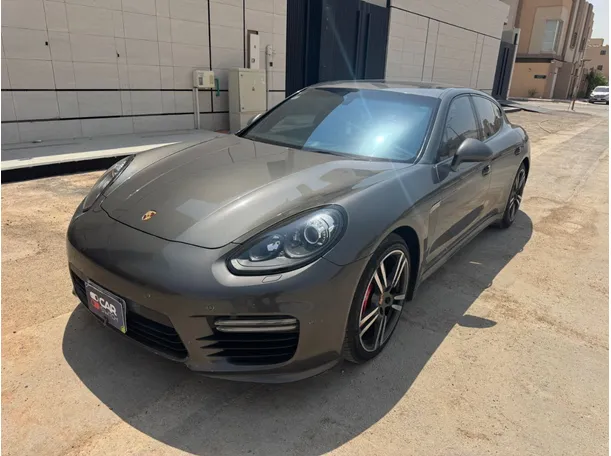
Porsche Panamera GTS 4.8L V8
2014110,777 KMSaudi specs
Price102,000SAR107,000SAR
Installments4,653SAR/mo
Secure payment
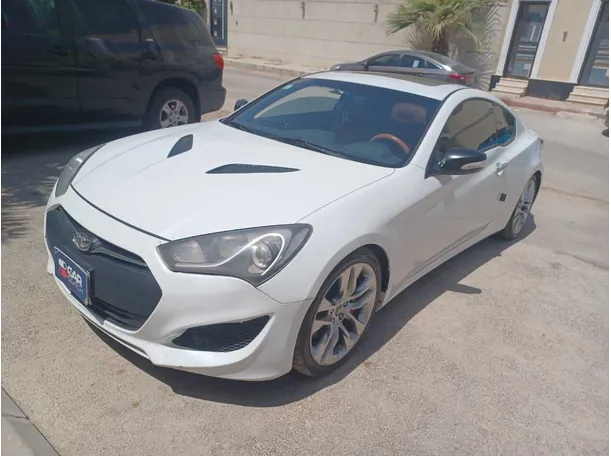
Hyundai Genesis 3.8L V6
2014215,500 KMSaudi specs
Fair price
Price25,000SAR
Installments1,188SAR/mo
Secure payment
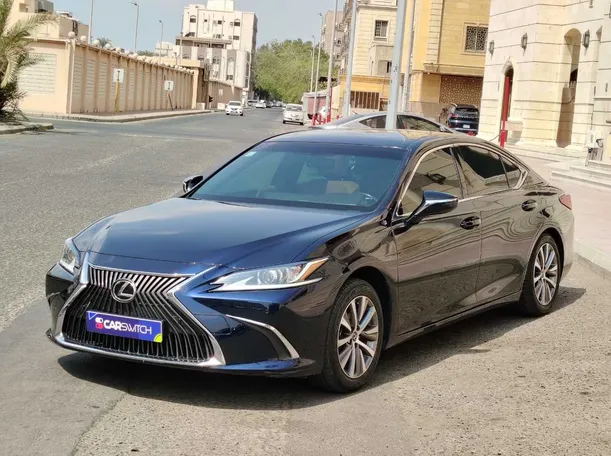
Lexus ES250 2.5L I4
202172,200 KMSaudi specs
Fair price
Price125,500SAR
Installments2,666SAR/mo
Secure payment
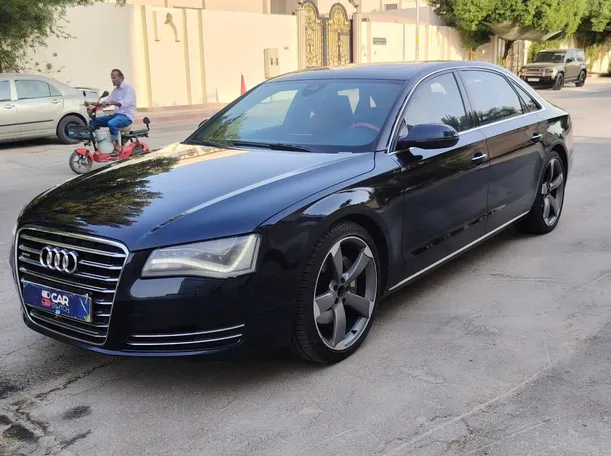
Audi A8 L TFSI Quattro Turbocharged 3.0L V6
2014203,000 KMSaudi specs
Price52,000SAR
Installments2,403SAR/mo